
Leading by Proxy
Far too much of this going on
Leading by proxy is an interesting approach to organisational dynamics. It usually occurs when the person leading is cognitively incapable of operating at the next level up. When someone is promoted beyond their capacity, it is typically labelled “the Peter Principle”. This is a concept proposed by Dr. Laurence J. Peter in his eponymously-titled book in 1969. It suggests that in hierarchical organisations, individuals are promoted to their level of incompetence. This means that employees tend to be promoted based on their performance in their current role rather than their ability to fulfil the responsibilities of the new role. As a result, they may eventually reach a position where they are no longer competent, leading to inefficiency within the organisation.
The principle highlights the potential flaws in traditional promotion structures and emphasises the importance of considering more than just past performance when making promotion decisions.
Each role within an organisation has a level of complexity associated with its smooth running, and when someone is promoted to that level, their own complexity must rise in order to meet the increased decision-making demands of their new role.
IMAGE OF ORG LEVELS
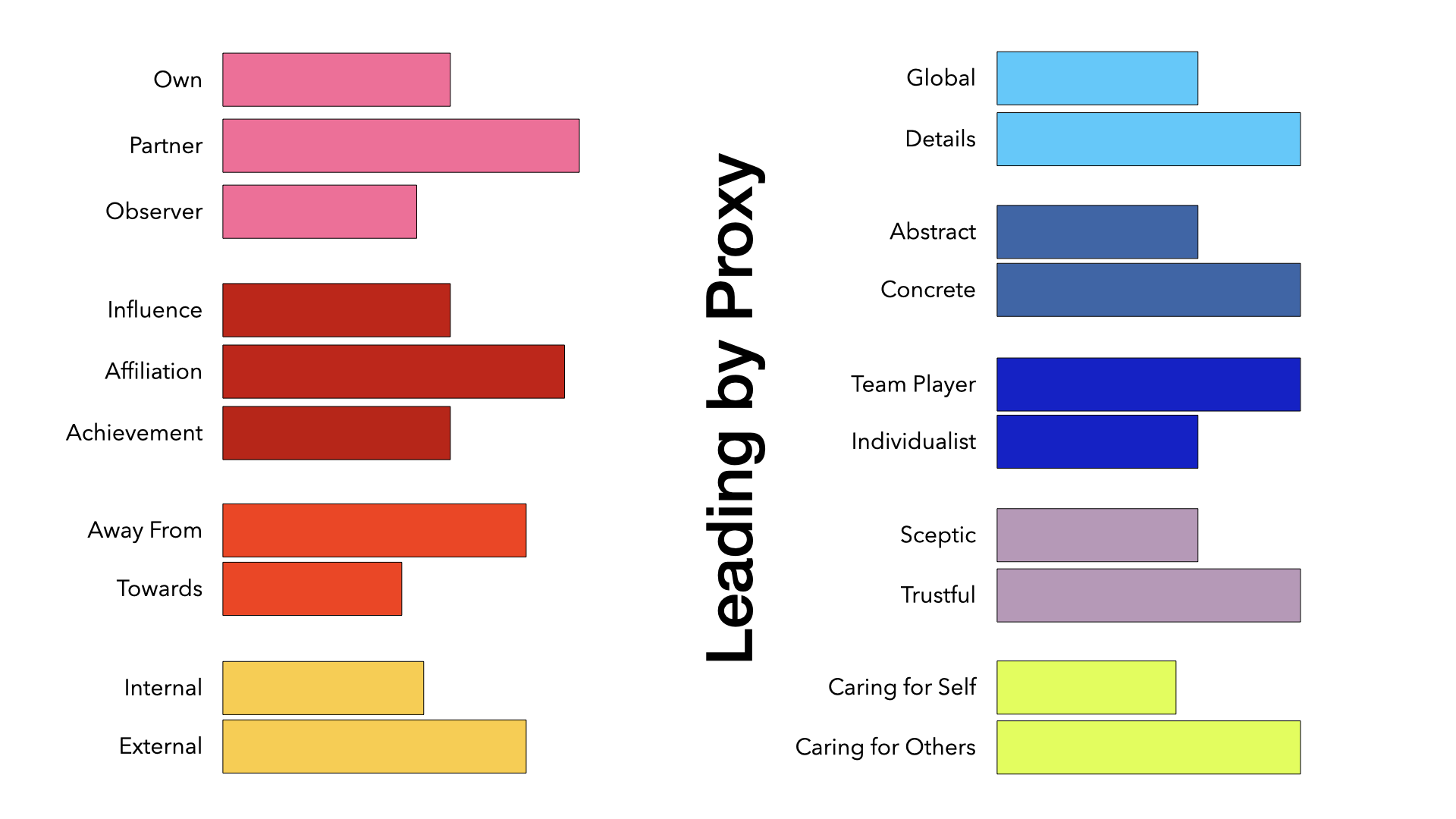
However, it’s a lot more serious than a simple label might suggest.From a CDT perspective, there are various Cognitive Intentions required for leading deliberately, and when these are missing from the Thinking Style of the leader in question, where are they to get them? From another colleague, of course.
Delegating leadership responsibilities to others, does introduce various challenges and issues. Here's an outline of some of these issues:
- Miscommunication: When leading by proxy, there's a risk of miscommunication between the leader and the proxy. Messages can get distorted or diluted as they pass through multiple channels, leading to misunderstandings and misinterpretations.
- Loss of Control: Delegating leadership responsibilities means relinquishing some level of control. This loss of direct oversight can result in decisions being made that are not aligned with the leader's vision or goals.
- Accountability: Holding proxies accountable for their actions and decisions can be challenging. If something goes wrong, determining who is responsible can be difficult, especially if there is ambiguity or confusion about roles and expectations.
- Quality of Decision Making: Proxies may not have the same level of expertise or understanding as the leader, which can affect the quality of decision-making. Without direct involvement, leaders may not have all the necessary information to make informed choices.
- Lack of Adaptability: Leaders may find it challenging to adapt quickly to changing circumstances when leading by proxy. Proxies may not have the authority or flexibility to respond effectively to unexpected events or challenges.
- Motivation and Engagement: Proxies may not feel as motivated or engaged as they would if they were directly leading the team. This lack of personal investment can impact morale and productivity.
- Conflicting Priorities: Proxies may have their own priorities and agendas that differ from those of the leader. This misalignment can lead to conflicts of interest and hinder progress towards shared goals.
- Dependency: Over-reliance on proxies can create a dependency that undermines the leader's ability to lead effectively. If proxies become too integral to decision-making and execution, the leader may struggle to assert their authority when necessary.
- Communication Breakdown: Without direct communication channels between the leader and the team, important information may not be effectively communicated or understood. This can result in misunderstandings, delays, and inefficiencies.
- Loss of Trust and Cohesion: Leading by proxy can erode trust and cohesion within the team if members feel disconnected from the leader or perceive inconsistencies in leadership direction.
Addressing these issues requires clear communication, setting expectations, providing adequate support and resources to proxies, fostering trust, and periodically reassessing the effectiveness of the proxy leadership model.